What is a Relief Valve and How Does It Function in Systems?
A relief valve is a crucial component in various systems. It plays a significant role in maintaining safety and efficiency. When pressure in a system exceeds a certain limit, the relief valve activates. This action prevents potential damage and catastrophic failures.
Relief valves are used in different industries. They are common in plumbing, HVAC systems, and machinery. Each application requires precise calibration. The valve must open at the correct pressure. However, some issues can arise. Incorrect settings may lead to leaks or failure to activate. This can cause severe problems.
Understanding the function of a relief valve is essential. It ensures systems operate smoothly. Yet, people often overlook their importance. Regular maintenance can prevent many problems. Not everyone considers this until it's too late. A relief valve may seem simple, but it serves a vital purpose.
What is a Relief Valve?
A relief valve is a crucial component in various systems. It helps manage pressure, preventing dangerous build-ups. By doing so, it ensures safety and efficiency. When pressure exceeds a certain limit, the valve opens automatically. This process allows excess fluid or gas to escape. As a result, the system maintains a safe operating level.
Typically constructed from durable materials, relief valves are designed for reliability. They can be found in pipelines, boilers, and even medical equipment. Each application requires precision. If a valve fails, serious consequences may follow. Leaks, explosions, or equipment damage can occur. Yet, sometimes the valve may not operate correctly. A buildup of dirt or corrosion can hinder its performance.
Regular maintenance is essential for these components. Keeping them clean helps prevent failures. Users must routinely inspect these valves. Neglecting this can lead to unexpected issues. Although the technology is straightforward, its importance cannot be overstated. Understanding how a relief valve functions is key. It is vital for safe and efficient system operation.
Principle of Operation for Relief Valves
Relief valves play a critical role in various systems. They prevent pressure build-up that could lead to failures. These valves open to release excess pressure. When the pressure drops to a safe level, they close again. Understanding their operation is vital for system safety.
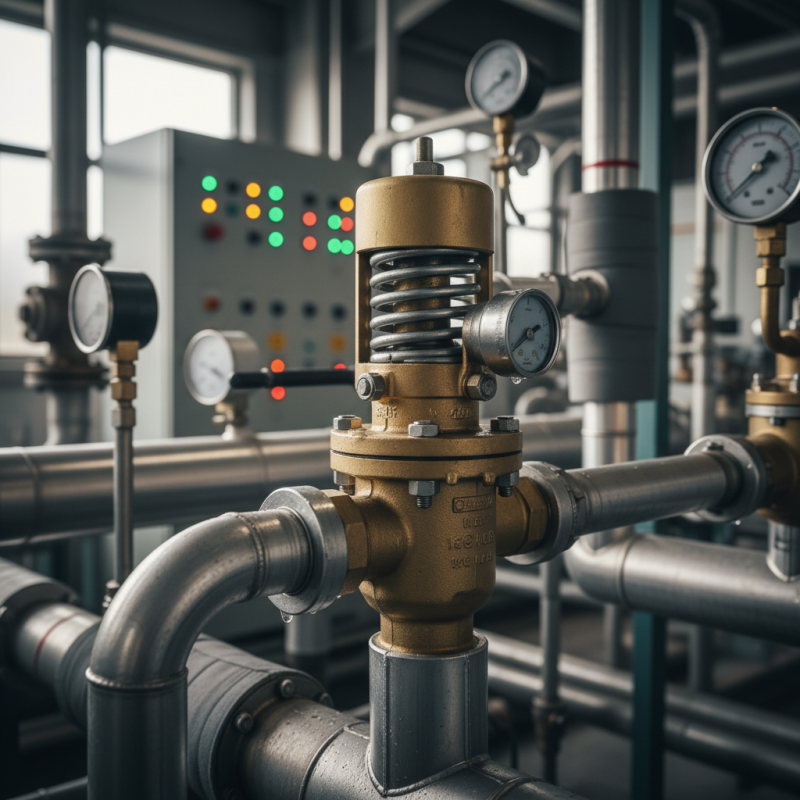
The principle of operation is straightforward. A spring-loaded mechanism holds the valve shut. When pressure exceeds a predetermined level, the force overcomes the spring force. The valve opens, allowing fluid to escape. This reduces pressure and protects equipment. According to industry reports, around 30% of equipment failures stem from pressure relief issues. Regular testing can mitigate these risks.
Tips: Regular maintenance of relief valves is vital. Check for debris that may impede operation. Ensuring clear pathways for exhaust is also essential. Over time, valves can wear out. Replacing older models can enhance safety. Remember, a small oversight can lead to significant problems.
Types of Relief Valves and Their Applications
Relief valves are crucial in many systems. They help prevent overpressure, which can lead to catastrophic failures. Different types serve different functions and environments. The most common type is the spring-loaded relief valve. It opens when pressure exceeds a set limit, allowing excess fluid to escape.
Another type is the pilot-operated relief valve. This one uses a smaller valve to control the opening. It is suitable for high-pressure systems. It offers precise control and quick response. Safety valves, often found in steam systems, release pressure rapidly. These valves can be more sensitive than other types.
Not all systems benefit equally from each type. Choosing the wrong valve can be costly. For instance, a spring-loaded valve may not respond accurately in fluctuating pressures. Issues like these need careful consideration. The right relief valve ensures safety and efficiency. Each application's unique needs must guide selection.
Benefits of Using Relief Valves in Systems
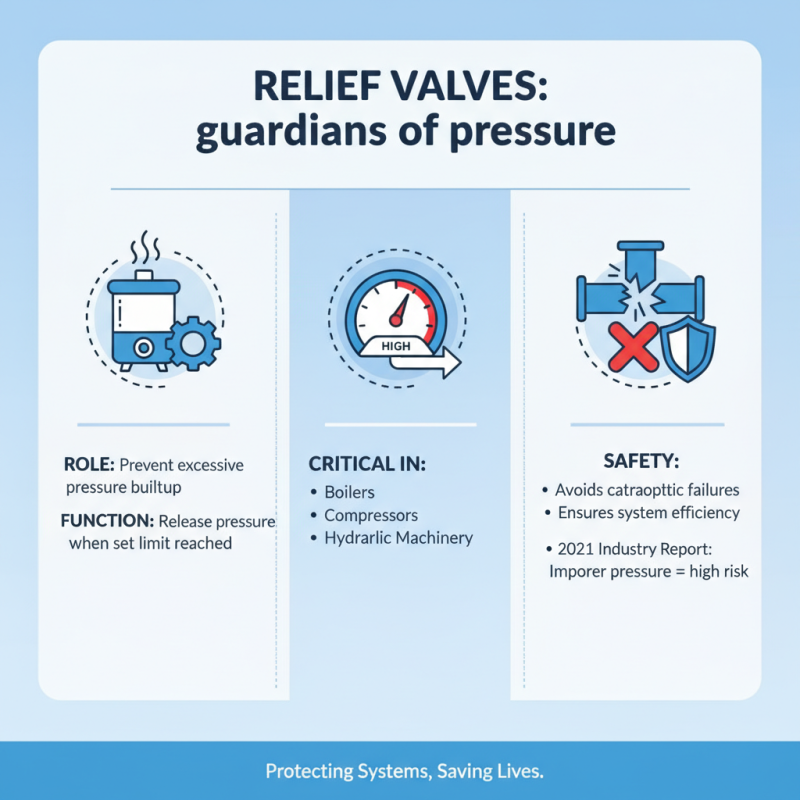
Relief valves play a crucial role in various systems, ensuring safety and efficiency. They prevent excessive pressure by releasing it when it reaches a predetermined level. This function is critical in systems like boilers, compressors, and hydraulic machinery. According to a 2021 industry report, improper pressure management can lead to catastrophic failures, highlighting the importance of relief valves.
The benefits of using relief valves are numerous. By effectively regulating pressure, they protect equipment from damage and extend the lifespan of machinery. Systems equipped with these valves can improve operational efficiency by reducing the risk of leaks and spills. Reports suggest that facilities with properly functioning relief valves experience up to 30% fewer downtime incidents. This significantly impacts overall productivity and cost reduction.
However, not all relief valves operate perfectly. Some may fail due to wear and tear or improper installation. Regular maintenance is essential to address these issues. Data indicates that neglecting relief valve inspections can increase the chance of system failures by 25%. A proactive approach can mitigate risks and enhance system reliability, ensuring safety for both personnel and operations.
Common Issues and Maintenance of Relief Valves
Relief valves play a crucial role in ensuring system safety. They regulate pressure to prevent over-pressurization. However, they can face several common issues. According to industry reports, up to 30% of relief valve failures are due to improper maintenance. This leads to systems being potentially hazardous. Regular inspections are important.
One common problem is leakage. This can result from wear or debris accumulation. Even minor leaks can compromise system integrity. A separate study indicated that 20% of relief valves may not seal properly over time. This shows the need for routine checks and cleaning.
Another concern is corrosion. Factors like temperature and fluid type can contribute. A survey of industries found that corrosion damages about 15% of valves annually. Ignoring these issues can lead to costly failures. Operators should prioritize preventive maintenance to ensure valves function correctly. Emphasizing attention to detail can significantly enhance reliability in various settings.
What is a Relief Valve and How Does It Function in Systems? - Common Issues and Maintenance of Relief Valves
| Aspect |
Description |
| Definition |
A relief valve is a safety device that relieves excess pressure in a system to prevent catastrophic failures. |
| Function |
It automatically opens at a predetermined pressure to allow fluid to escape, thereby reducing system pressure. |
| Common Issues |
- Leakage
- Blockage
- Malfunction due to corrosion or wear |
| Maintenance Tips |
- Regular inspections
- Cleaning or replacing parts as necessary
- Testing functionality periodically |
| Applications |
Used in various systems including boilers, compressors, and hydraulic systems to maintain safety. |
| Types |
- Spring-loaded
- Pilot-operated
- Deadweight |