What is a Pneumatic Diaphragm Pump and How Does It Work?
A pneumatic diaphragm pump is a versatile and efficient device used in various industries. This pump operates using compressed air to create a vacuum, drawing in fluids without electricity. Its design features a flexible diaphragm, which cycles between two chambers, enabling smooth fluid transfer.
Understanding how this pump works can enhance operational efficiency. Many users praise its reliability and ability to handle viscous fluids. However, challenges exist, such as the need for regular maintenance and ensuring proper air pressure levels. Noise levels may also be a concern in noise-sensitive environments.
This pump's unique mechanism makes it valuable across sectors like pharmaceuticals, food and beverage, and chemical processing. By exploring the ins and outs of pneumatic diaphragm pumps, users can make informed choices for their applications. This insight is essential in today's demanding operational landscapes.
What is a Pneumatic Diaphragm Pump?
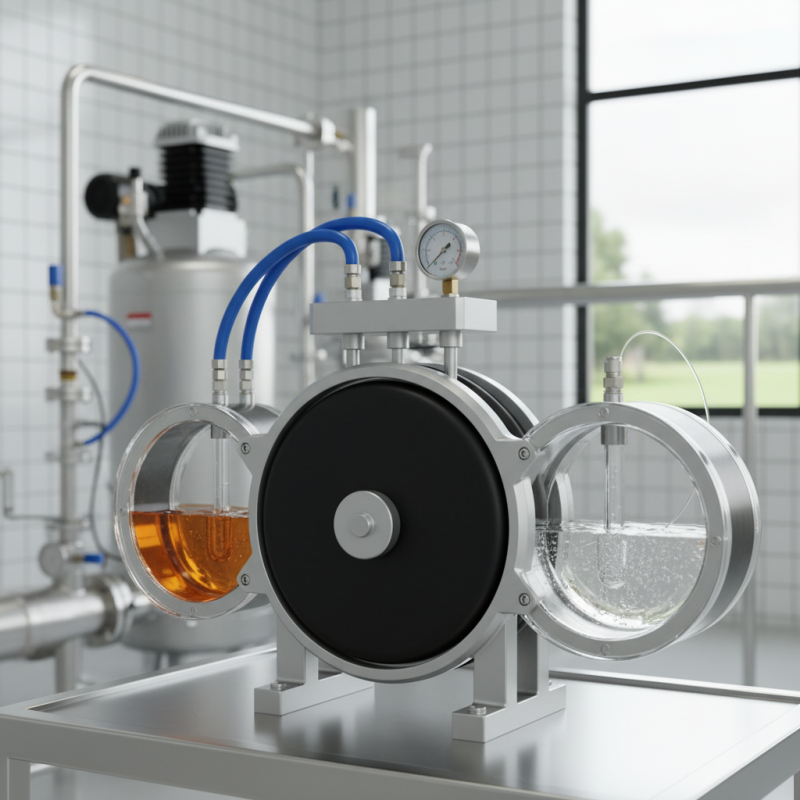
A pneumatic diaphragm pump is a unique type of pump that utilizes compressed air to move fluids. It consists of two flexible diaphragms separated by a central chamber. When the air pressure fluctuates, one diaphragm contracts while the other expands, creating a pumping action. This mechanism allows for the reliable transfer of various liquids, including slurries and corrosive fluids.
These pumps are known for their versatility and efficiency. They can handle a wide range of viscosities and are often used in industries such as chemical, food, and environmental. One of the benefits is that they can run dry without damage, which adds to their reliability. However, they may not be suitable for all applications. For instance, they can be less efficient at high flow rates compared to other pumps.
Installation and maintenance are factors worth considering. While they are generally easy to install, the diaphragm may need regular replacement depending on the fluid's nature. Users must evaluate the specific application needs and possible operational costs. This reflection ensures you get the right pump for your situation, avoiding over-engineering or underperformance.
What is a Pneumatic Diaphragm Pump and How Does It Work?
| Parameter | Description |
|---|---|
| Pump Type | Pneumatic Diaphragm Pump |
| Operating Principle | Uses compressed air to create a differential pressure that moves the diaphragm, displacing fluid through the pump. |
| Applications | Suitable for transferring a wide range of liquids, including corrosive fluids, slurries, and viscous materials. |
| Materials | Typically constructed from materials like polypropylene, stainless steel, or various elastomers to suit different applications. |
| Advantages | Self-priming, can run dry without damage, resistant to abrasion, and can handle solids. |
| Disadvantages | Air supply required, maintenance for air components, and less efficient compared to electric pumps for some applications. |
| Flow Rate | Typically ranges from a few liters per minute to over 100 liters per minute, depending on the model. |
| Operating Pressure | Can operate up to 8 bar or more, depending on the design and application. |
Principles of Operation in Pneumatic Diaphragm Pumps
Pneumatic diaphragm pumps operate on a simple yet effective principle. They use compressed air to drive a diaphragm that creates a pumping action. When air enters one side of the diaphragm, it pushes the diaphragm down. This movement displaces fluid on the other side and forces it out of the pump. The cycle then reverses as the diaphragm returns to its original position.
These pumps are versatile and handle various fluids. They can move slurries, corrosive liquids, and sensitive substances. The ability to use air pressure makes them safe for hazardous environments. While effective, they require regular maintenance. Operator familiarity with the system is essential to avoid failures. Improper use can lead to inefficiencies or breakdowns.
Understanding the components is crucial. The diaphragm's material affects its longevity and compatibility with the fluid. Additionally, the pump's design influences its efficiency. A detailed examination often reveals subtle flaws. These insights can guide improvements and help optimize performance in the long run.
Pneumatic Diaphragm Pump Performance Analysis
This chart illustrates the performance parameters of a pneumatic diaphragm pump, including flow rate, pressure, power consumption, and efficiency. The data showcases how pneumatic diaphragm pumps can effectively operate under varying conditions.
Advantages of Using Pneumatic Diaphragm Pumps in Industrial Applications
Pneumatic diaphragm pumps are essential in various industrial settings. They leverage air to move fluids and solids. This design offers many advantages. For instance, they can handle a wide range of viscosities, from thin liquids to thicker slurries. According to a report by the Chemical Pump Manufacturers Association, diaphragm pumps can achieve flow rates up to 150 gallons per minute.
One significant advantage is their efficiency. Data shows these pumps typically operate with over 90% efficiency in many applications. They are also self-priming, which makes them convenient for many users. Additionally, their ability to run dry without damage sets them apart. However, there are challenges. For instance, the air supply's quality impacts performance and may require filtration.
In industries like mining and wastewater management, pneumatic diaphragm pumps play a critical role. Their durability and flexibility are unmatched. According to a survey by the International Journal of Engineering Research, 75% of professionals in these fields prefer diaphragm pumps over others. Still, maintaining optimal air pressure is crucial. A small variation can lead to performance issues. Proper training and monitoring are essential.
Key Applications and Industries Leveraging Pneumatic Diaphragm Pumps
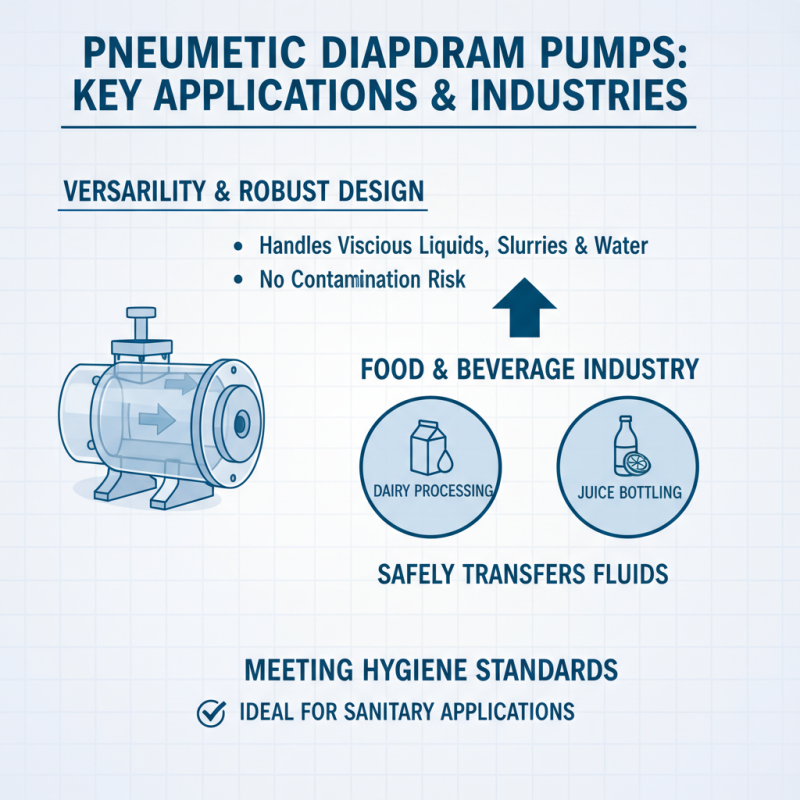
Pneumatic diaphragm pumps find utility across various sectors due to their robust design and versatility. In the food and beverage industry, these pumps are essential for transferring fluids safely. They effectively handle viscous liquids, slurries, and clean water without contamination risks. These features meet strict hygiene standards, making them ideal for dairy processing and juice bottling.
Another significant application is in chemical processing. Here, pneumatic diaphragm pumps convey corrosive materials with ease. Their ability to withstand harsh environments ensures durability. Operators can run them dry without damaging the pump, providing peace of mind in critical operations. However, maintenance is still vital. Regular checks help prevent failures that could disrupt production.
In water treatment facilities, these pumps play a crucial role. They assist in sludge transfer and chemical dosing. While effective, operators must constantly monitor flow rates. Anomalies can indicate underlying issues that need addressing. Overall, pneumatic diaphragm pumps are invaluable in many industries, offering efficiency and reliability alongside a few challenges that require careful management.
Maintenance and Troubleshooting Tips for Optimal Pump Performance
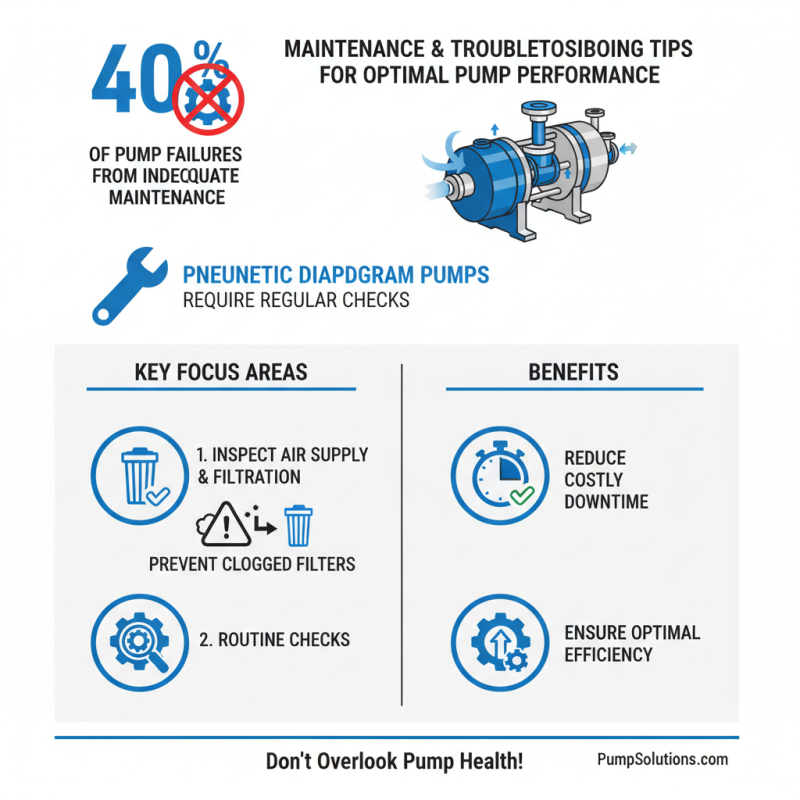
Pneumatic diaphragm pumps require regular maintenance to ensure optimal performance. Many operators overlook the significance of routine checks. According to industry data, 40% of pump failures stem from inadequate maintenance practices. Inspecting the air supply and ensuring proper filtration can prevent costly downtime. Dust and debris can clog filters and affect pump efficiency.
Daily observations can reveal early signs of trouble. Look for unusual vibrations or noises. These could indicate wear on the diaphragm or valve components. A study noted that 30% of diaphragm-related issues occur due to improper assembly. Operators must ensure that components are assembled correctly to avoid leaks and performance issues.
Additionally, always monitor the fluid being pumped. Certain fluids can cause degradation of materials in the pump. Training personnel to recognize the right and wrong materials is crucial. Data shows that nearly 25% of pump inefficiencies arise from using incompatible media. Regular training sessions can improve reliability and longevity.
Related Posts
-
Top 10 Best Diaphragm Pumps for Global Buyers in 2026
-
Why Choose a Diaphragm Pump for Your Fluid Transfer Needs?
-
Top 10 Benefits of Using Pneumatic Diaphragm Pumps in Industry?
-
Understanding the Power of Diaphragm Water Pumps in Modern Irrigation Systems
-
2025 Top 10 Diaphragm Pumps: Unmatched Performance and Reliability for All Industries
-
10 Essential Tips for Choosing the Right Diaphragm Water Pump for Your Needs