10 Essential Tips for Choosing the Right Industrial Water Hose Reel?
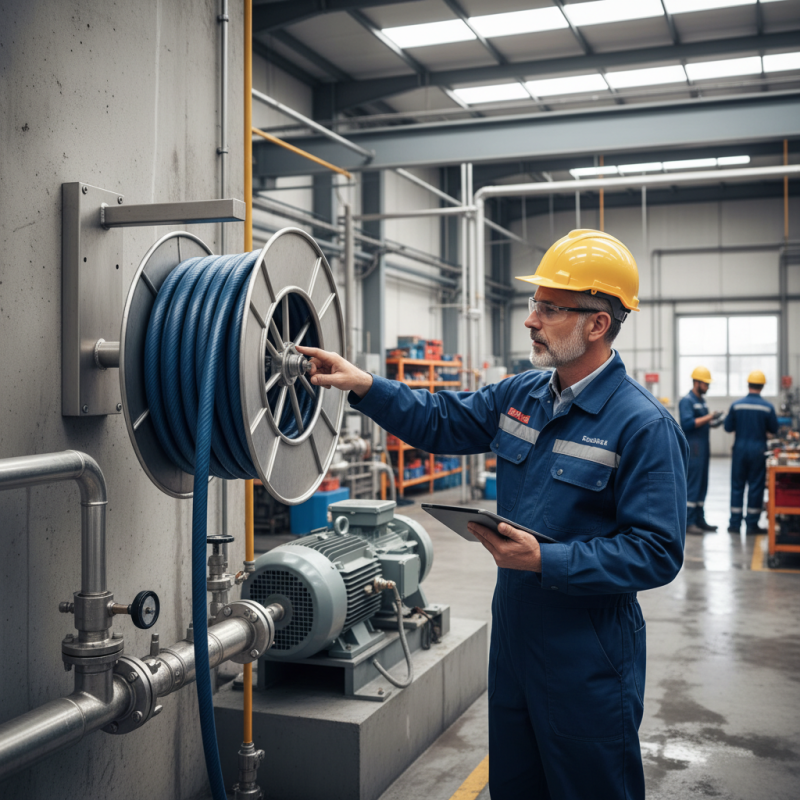
Choosing the right industrial water hose reel can be a daunting task. Industry expert John Davis, a renowned engineer, emphasizes, "Your hose reel should match your operational needs." This is crucial in ensuring efficiency.
The market offers various options, and each has its own unique features. Consider factors such as hose length and material. An industrial water hose reel needs to withstand heavy usage. Durability is key; you do not want frequent replacements.
Many users overlook the importance of proper installation. This can lead to frustration and inefficiency. A poorly positioned reel may complicate usage, creating waste and inefficiency. It's essential to reflect on your specific needs before making a choice. A little research will pay off significantly.
Factors to Consider When Selecting an Industrial Water Hose Reel
Choosing the right industrial water hose reel involves several critical factors. Start with the material. Hose reels made from heavy-duty steel tend to outlast those made from plastic. According to industry reports, steel reels can endure harsh environments better, reducing replacement costs.
Next, consider the hose capacity. Many operations require reels that hold up to 300 feet of hose. Verify the diameter of the hose as well. A ¾ inch diameter hose often delivers a higher flow rate, crucial for larger industrial tasks. When assessing hose reels, pay attention to pressure ratings. Many models accommodate up to 300 PSI, essential for efficient operation.
Tip: Always check the reel's warranty. A longer warranty indicates confidence in product quality. Another aspect to reflect on is the ease of installation. Complicated setups can lead to downtime, impacting productivity. Choosing a reel that is easier to mount can streamline your workflow. By weighing these factors, you can find a hose reel that truly meets your industrial needs.
Types of Hose Reels Suitable for Industrial Use
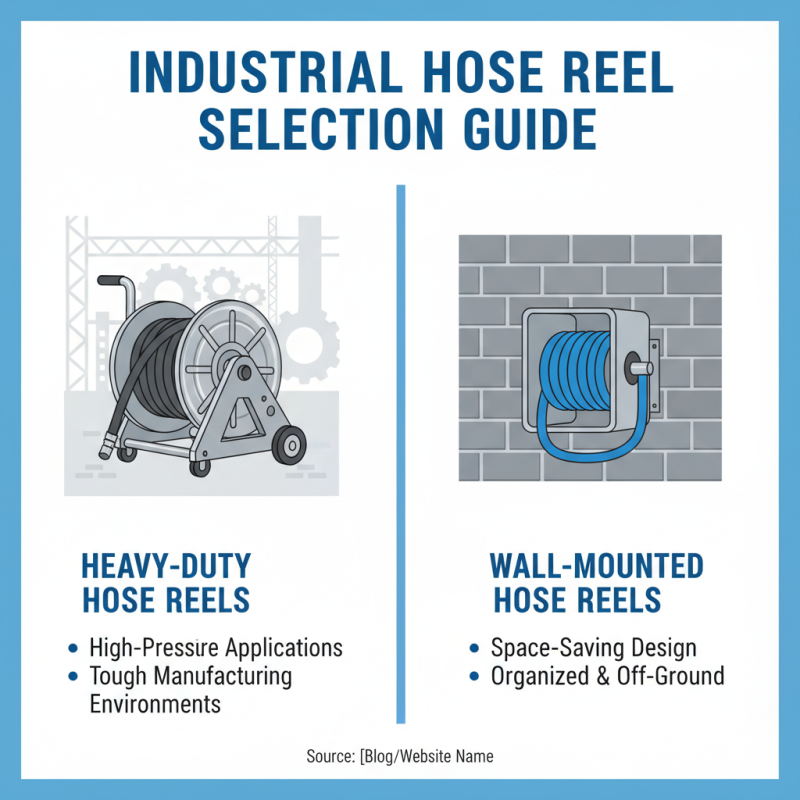
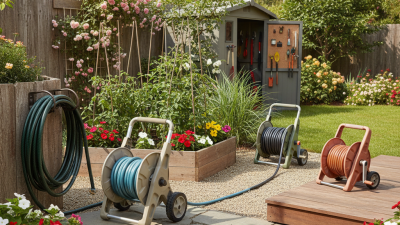
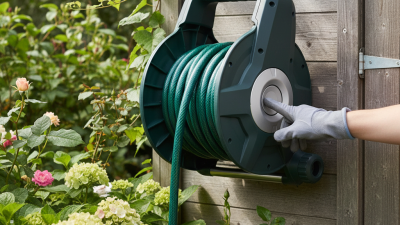
When selecting a hose reel for industrial use, it's important to understand the different types available. Heavy-duty hose reels are designed for high-pressure applications. They can withstand tough conditions, making them suitable for manufacturing facilities. Another option is wall-mounted hose reels. These are space-saving and great for small areas. They keep hoses organized and off the ground.
Retractable hose reels are popular for their convenience. They allow for quick deployment and retraction of hoses. However, they may not always handle very heavy hoses well. It is essential to consider the hose length and diameter when choosing. Some users overlook this detail, resulting in frustration during use. Additionally, there are lightweight hose reels, which are easy to move. They suit tasks that require portability but may lack durability for constant use.
Before making a choice, analyze the working conditions. Consider the environment and typical usage frequency. If the reel is exposed to extreme temperatures or chemicals, select materials that can withstand these challenges. Moreover, users should reflect on their needs carefully. Sometimes, a reel that seems perfect might not be ideal long-term. Taking time to evaluate all options can lead to better decisions.
Material Durability and Resistance in Hose Reel Selection
Choosing the right industrial water hose reel can be challenging. One crucial factor is material durability. The hose reel must withstand harsh environments. Look for materials that resist wear, corrosion, and UV damage. Many reels use steel, aluminum, or high-grade plastics. Each has its pros and cons.
Consider the specific needs of your operation. Steel reels offer strength but may rust if not properly treated. Aluminum is lighter and resistant to corrosion but may not handle heavy-duty use as well. High-grade plastics are lightweight and resistant to UV rays but may be less durable under extreme conditions. It's important to weigh these factors carefully.
Another consideration is how the reel will be used. Frequent movement? Look for a reel that offers flexibility without sacrificing durability. Some reels might not hold up well under constant stress. Reflecting on these elements can save you time and money in the long run. An informed decision today can lead to fewer problems tomorrow.
Assessing Hose Length and Hose Diameter Requirements
When choosing an industrial water hose reel, assessing
hose length and
diameter is crucial.
The right length ensures that you can reach all parts of your workspace without
excess slack. Too short can limit movement, while too long may cause tangles.
Measure the areas where the hose will be used. This prevents frustration and
inefficiency during operations.
Hose diameter also plays a vital role. It should match the
water flow requirements of your
application. A smaller diameter can restrict flow, making it harder to meet your
needs. Conversely, an excessively large diameter may add unnecessary weight.
Evaluate the pressure and
flow rate to find the
optimal fit for your projects.
Sometimes, it's easy to overlook these details. You might feel confident in
your choice, but testing it in real life can reveal flaws. A hose that seems
ideal at first glance might fall short during actual use. Consider consulting
colleagues or
experts to gain different
perspectives. Their insights can highlight aspects you may have missed.
Maintenance Tips for Prolonging the Life of Your Hose Reel
Maintaining your industrial water hose reel can significantly extend its lifespan. A recent industry report suggests that proper maintenance can increase equipment longevity by up to 30%. Regular care helps prevent malfunction and costly downtime.
One key tip is to inspect the hose regularly for any wear or damage. Look for kinks, cracks, or leaks. Even small issues can lead to larger problems later. Keep the hose clean and free from debris. Dirt accumulation can cause premature wear.
Additionally, lubricate the reel components as needed. Proper lubrication helps reduce friction. It also allows the reel to operate smoothly. Industry studies indicate that lack of lubrication can lead to a 50% increase in mechanical failure.
Do not forget to store the reel properly. Exposure to extreme weather conditions can degrade materials. Use a protective cover during non-use periods. Remember, even the best equipment needs attention to maintain peak performance.