Why Choose Sprayer Pumps for Your Agricultural Needs?
In modern agriculture, efficiency is key to success. Sprayer pumps play a vital role in achieving optimal crop management. These devices ensure precise application of nutrients and pesticides, leading to healthier crops. Farmers must consider various options for sprayer pumps. The selection can be overwhelming, but each offers unique advantages.
Sprayer pumps help save time during crucial farming tasks. Fast application means farmers can cover larger areas each day. However, not all pumps are created equal, and choosing the wrong type can lead to frustration. Some may find that the initial expense of quality pumps hurts their budget. Yet, the long-term benefits often outweigh the upfront costs.
Investing in reliable sprayer pumps leads to effective pest control and enhanced crop growth. Farmers may question if they really need these tools. The reality is, without them, achieving maximum yield becomes challenging. Effective agricultural practices demand the right equipment, and sprayer pumps are essential for any serious farmer.
Benefits of Using Sprayer Pumps in Agriculture
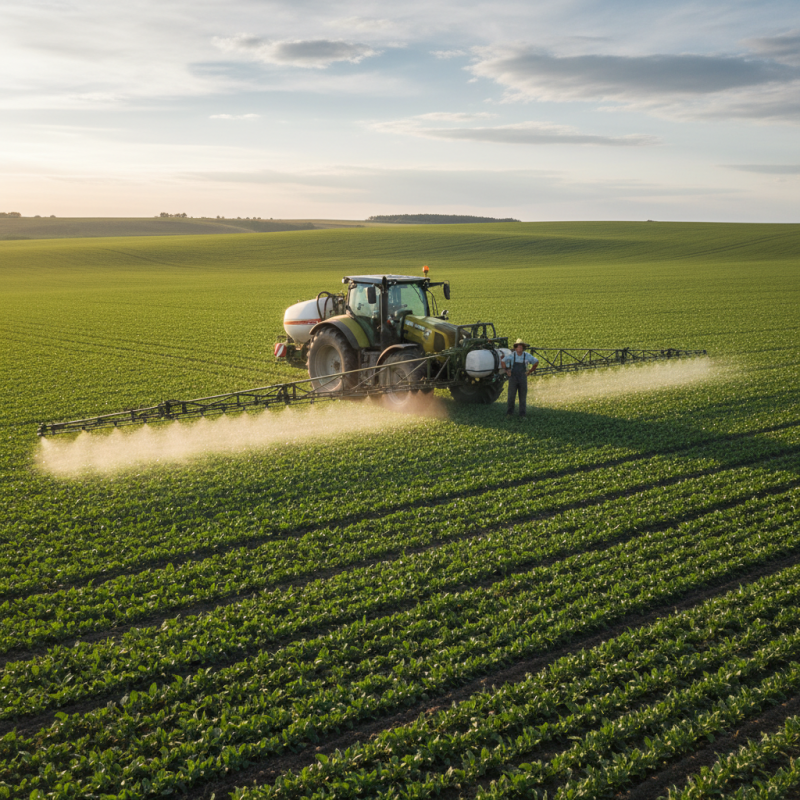
Sprayer pumps are essential in modern agriculture. They provide precise application of fertilizers and pesticides. This helps ensure crops receive the right nutrients. Efficient spray distribution covers large areas quickly. Farmers can adjust the pressure easily, allowing for better control over how much liquid is applied.
One major benefit is water conservation. These pumps minimize wastage of water and chemicals. This is crucial, especially in regions facing drought. However, improper use can lead to uneven application. Over-spraying may harm crop health or lead to soil issues. Thus, understanding the equipment is important for success.
Another advantage is the time saved during the spraying process. Traditional methods can be time-consuming and labor-intensive. Using sprayer pumps speeds up these tasks. Farmers can focus on other important aspects of their work. Yet, reliance on technology can create challenges. Training on proper operation is necessary. Without it, mistakes may occur, leading to potential losses.
Types of Sprayer Pumps for Different Agricultural Applications
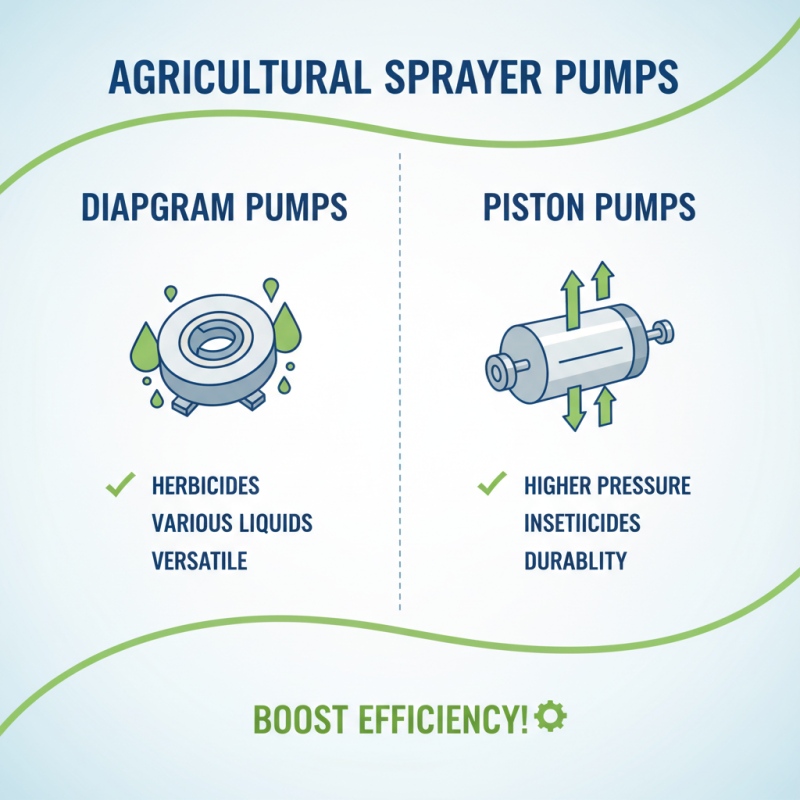
Choosing the right sprayer pump can make a significant difference in agricultural efficiency. There are several types of sprayer pumps, each suited for different applications. For instance, diaphragm pumps are excellent for herbicides, while piston pumps are better for higher pressure needs. According to industry reports, diaphragm pumps can handle a variety of liquids, ensuring versatility in the field.
When selecting a sprayer pump, consider your specific needs. A centrifugal pump might be less efficient with thicker solutions, leading to potential operational issues. In fact, using the wrong pump could waste time and resources. It's crucial to match the pump type with the fluid viscosity and the area of application.
**Tips:** Always check manufacturer specifications for pressure ratings. A pump that is too powerful can damage crops. Furthermore, regular maintenance is essential. Neglecting it can lead to reduced efficiency. Understand the impact of your choices on overall crop yield. A small adjustment can lead to bigger results. Always test your equipment before full-scale use to avoid surprises.
Maintenance Tips for Maximizing the Performance of Sprayer Pumps
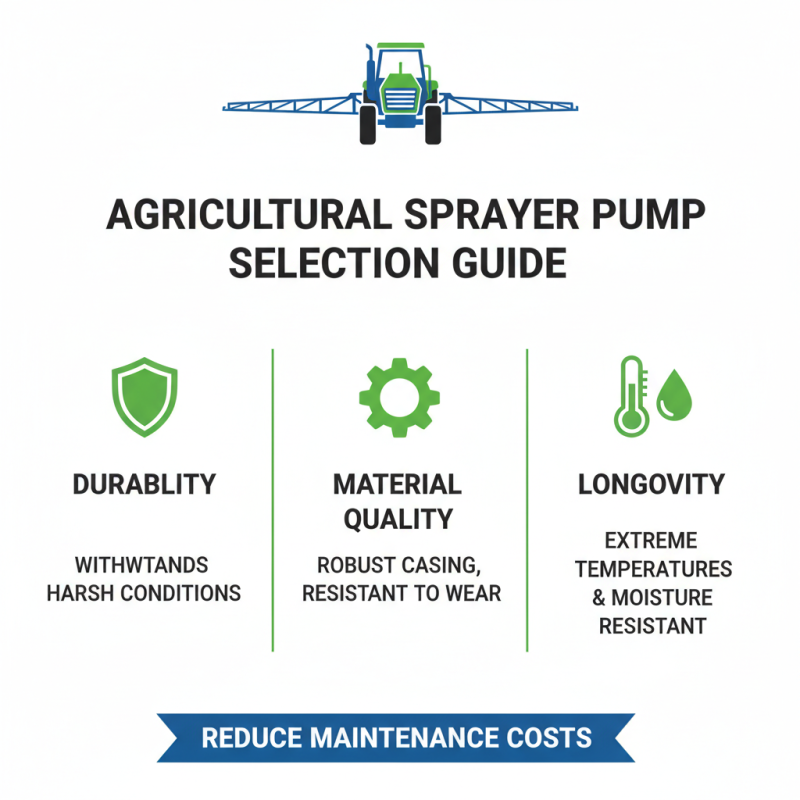
Maintaining sprayer pumps is key for optimal agricultural performance. An annual maintenance routine can enhance pump efficiency by 20%. Regular checks ensure that nozzles deliver consistent pressure. This helps in precise application of fertilizers and herbicides. Skipping maintenance can lead to clogged filters and uneven spray patterns.
Replace worn-out seals and gaskets to avoid leaks. A small leak could waste up to 10% of your liquid input. Clean the pump after each use to prevent buildup. Water mixed with chemical residues can cause corrosion. Ensure that the hose connections are tight. Loose connections can drastically reduce spray efficiency.
Additionally, monitor the pump's performance during spraying. If there’s a sudden drop in pressure, it might indicate a blockage. Such issues can be resolved quickly with proper diagnostics. Many farmers overlook these small details. Regular attention can save costs and improve yields significantly. Overlooking maintenance could diminish crop quality. Investing time in these practices pays off in the long run.
Why Choose Sprayer Pumps for Your Agricultural Needs? - Maintenance Tips for Maximizing the Performance of Sprayer Pumps
| Aspect |
Importance |
Maintenance Tips |
| Flow Rate |
Determines application efficacy |
Regularly check and adjust for optimal performance |
| Nozzle Type |
Affects droplet size and distribution |
Inspect nozzles for clogging; clean or replace as needed |
| Pump Pressure |
Directly impacts spray pattern |
Monitor and adjust pressure according to specific crops |
| Fluid Compatibility |
Ensures longevity of pump components |
Use fluids recommended for equipment; avoid corrosive chemicals |
| Regular Inspections |
Helps identify issues early |
Create a maintenance schedule for routine checks |
Comparative Analysis of Sprayer Pumps vs. Traditional Spraying Methods
Sprayer pumps offer distinct advantages over traditional spraying methods. Unlike manual spraying, sprayer pumps ensure uniform distribution of chemicals. According to the Agricultural Equipment Manufacturers Association, using sprayer pumps can reduce chemical use by up to 30%. This reduction minimizes environmental impact and lowers costs for farmers.
Moreover, sprayer pumps increase efficiency. Fields can be covered faster and more thoroughly, with less physical strain on workers. A report from the International Journal of Agronomy highlights that the use of sprayer pumps can boost productivity by 20% or more. However, improper use of these pumps can lead to overspraying or malfunction. Training is essential for optimal performance.
**Tip:** Regular maintenance of your sprayer pump is crucial. Check for clogs or leaks frequently to maintain efficiency.
Farmers should be cautious when transitioning from traditional methods. While sprayer pumps offer advanced technology, the learning curve may be steep. It's essential to assess the specific needs of your farm. Reevaluate your approach regularly to ensure that you’re getting the full benefits.
**Tip:** Consider starting with a small area to test the performance of sprayer pumps. This will help you understand the adjustments needed for larger fields.