Best DC High Pressure Pump for Global Buyers?
When selecting the best Dc High Pressure Pump, global buyers face numerous challenges. The variety of options can be overwhelming. Understanding the features and specifications is crucial. Each pump has its unique advantages and limitations, making it essential to evaluate them thoroughly.
DC high pressure pumps are vital for many applications, from industrial to residential uses. Reliability is a basic requirement. Performance under different conditions defines their effectiveness. Some pumps may excel in power but lack in energy efficiency. Others may be cost-effective yet compromise on durability. These trade-offs require careful consideration.
Buyers should also recognize the importance of technical support. Even top-rated pumps may require maintenance or replacement parts. Having access to knowledgeable support can tip the scales in favor of one brand over another. Ultimately, the best choice will depend on specific needs and preferences. Decision-making should be informed, balancing performance, cost, and reliability.
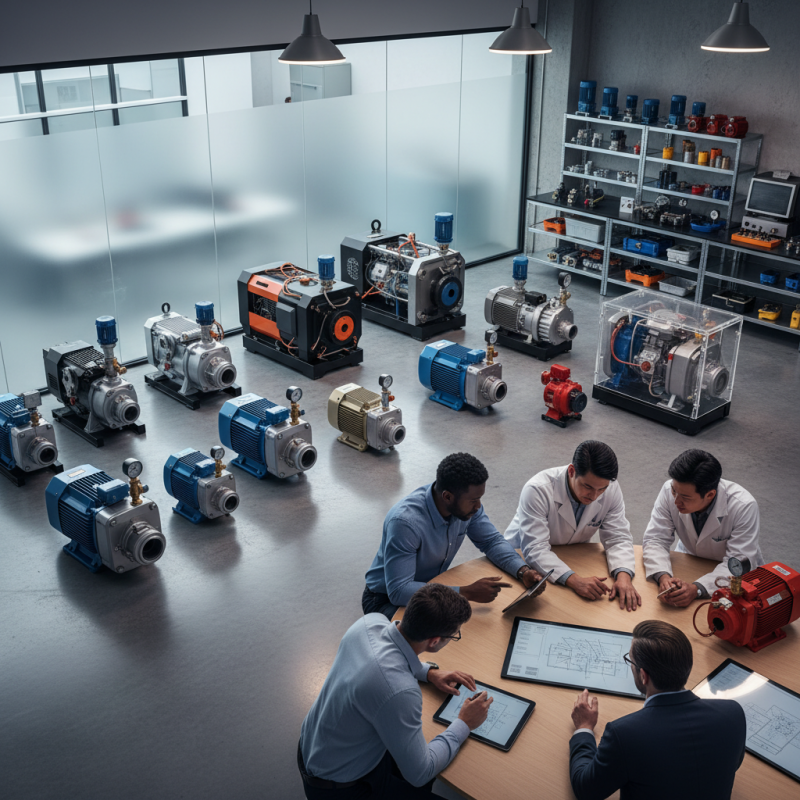
Overview of High Pressure Pumps and Their Applications
High pressure pumps are essential in various industries, enabling efficient fluid transfer. These pumps commonly operate at pressures exceeding 1000 psi. They are widely used in mining, construction, and water treatment sectors. According to a recent market analysis, the global high pressure pump market is projected to reach $8.5 billion by 2026, growing at a CAGR of 5.6%. This growth is attributed to increased industrial activities and the demand for efficient water management systems.
In the mining industry, high pressure pumps are crucial for slurry transportation. They can handle abrasive materials with ease. The pumps help improve operational efficiency and reduce downtime, but they are not without challenges. Maintenance requirements can be high, and parts wear can occur quickly. In construction, these pumps are often used for concrete spraying and water jetting. Their versatility makes them invaluable but requires careful selection and operation to optimize life span and performance.
In water treatment applications, high pressure pumps play a vital role in reverse osmosis systems. They ensure the effective separation of contaminants. However, operating at such high pressures can lead to increased energy consumption. This creates a need for ongoing innovations in pump designs to enhance energy efficiency. Balancing performance with sustainability is a growing concern in this field.
High Pressure Pump Applications by Industry
Key Features to Consider When Choosing a DC High Pressure Pump
When selecting a DC high pressure pump, various key features must be prioritized. First, the flow rate is critical. Industry standards suggest a flow rate between 1-5 liters per minute for optimal performance. Choosing a pump within this range can ensure efficiency and effectiveness in tasks such as irrigation or cleaning.
Another important factor is the power supply. Most DC high pressure pumps require a steady voltage to function properly. Reports indicate that pumps operating on voltages from 12V to 24V offer greater flexibility for users worldwide. Additionally, materials used in pump construction affect durability. Look for pumps made from corrosion-resistant materials like stainless steel for longevity in diverse environments.
Noise level cannot be overlooked. Noisy pumps can impact user experience and working conditions. Research shows that pumps emitting less than 70 decibels are ideal for residential and commercial spaces. It's also crucial to consider compatibility with various fittings and hoses. Many pumps offer universal fittings, but not all do. This oversight can lead to installation challenges, causing unnecessary delays. Always double-check specifications before purchase.
Top DC High Pressure Pump Brands for Global Buyers
When looking for a reliable DC high pressure pump, buyers should consider various top brands known for their quality and performance. These brands often offer a range of options suitable for different applications, whether in agriculture, automotive, or industrial settings. Key features include energy efficiency, flow rate, and durability. Many brands prioritize these aspects to cater to global markets.
In the landscape of DC high pressure pumps, it’s vital to assess the specifications closely. Some models may excel in specific conditions but falter in others. For instance, certain pumps may struggle with high temperatures. This can lead to performance issues in demanding environments. Researching user reviews and expert opinions can provide insights into real-world effectiveness, which is critical for decision-making.
Consider also the availability of spare parts and customer service. A pump may perform well initially, but long-term reliability depends on support networks. You might encounter variations in quality across different manufacturers, which can be frustrating. Engaging with community forums can help identify trusted options, making your purchase more informed and aligned with your needs.
Best DC High Pressure Pump for Global Buyers? - Top DC High Pressure Pump Brands for Global Buyers
| Pump Type | Pressure Range (psi) | Flow Rate (GPM) | Power Source | Material | Warranty |
| Diaphragm Pump | 500 - 1500 | 2.0 | 12V DC | Plastic | 1 Year |
| Gear Pump | 750 - 2000 | 3.5 | 24V DC | Aluminum | 2 Years |
| Piston Pump | 1000 - 2500 | 1.5 | 12V / 24V DC | Stainless Steel | 2 Years |
| Submersible Pump | 300 - 1200 | 4.0 | 12V DC | Plastic & Rubber | 6 Months |
| Centrifugal Pump | 500 - 2000 | 5.0 | 12V / 24V DC | Cast Iron | 1 Year |
Comparative Analysis of Performance Metrics for DC High Pressure Pumps
When considering the best DC high pressure pump, performance metrics matter greatly. Factors like pressure output, flow rate, and energy efficiency define a pump's effectiveness. Knowing how these attributes interact can help global buyers make informed choices. For example, a model with high pressure but low flow rate may not suit all applications.
Performance varies across different designs. Some models boast robust pressure capabilities, while others prioritize energy consumption. An efficient pump can save costs over time, a critical factor for sustainability-minded buyers. Don’t overlook noise levels and size requirements, which can influence usability in real-world scenarios.
Tips: Always look for user reviews. They provide insights into reliability. Testing in different conditions can reveal performance nuances. Take note of your unique needs—what works for one application might not suit another. Prioritize adaptability; a pump that meets diverse tasks is often the most valuable.
Maintenance Tips for Maximizing the Lifespan of DC High Pressure Pumps
Maintaining DC high pressure pumps is crucial for their longevity. Regular maintenance can enhance performance and prevent costly repairs. Research indicates that proper care can extend the lifespan by up to 30%. Routine checks on seals, bearings, and electrical connections are essential. These components wear out with usage. Neglecting them can lead to pump failure.
Fluid management plays a vital role in pump efficacy. Ensuring the right viscosity and cleanliness of the fluids used helps significantly. Contaminated or incorrect fluids can cause excessive wear. A study from the Hydraulic Institute shows that improper fluid conditions increase maintenance costs by 25%. Monitoring fluid levels and conditions should be part of regular maintenance protocols.
Operational practices also impact pump life. Overheating can damage internal components. It’s essential to operate within specified temperature ranges. Many users overlook this aspect, leading to premature failures. The fluctuation of pressure also adds stress to pump systems. Establishing stable operating conditions is often disregarded, but it’s vital for longevity. Adjusting usage habits could noticeably improve pump durability.
