Top 10 Benefits of Using a Pneumatic Pump for Your Industrial Needs

In the ever-evolving industrial landscape, efficiency and reliability are paramount. The pneumatic pump, a device that harnesses compressed air to perform various fluid transfer and handling tasks, has emerged as a key player in achieving these operational goals. According to a 2021 report by the International Society of Automation, the adoption of pneumatic systems has increased productivity in manufacturing sectors by up to 25%, highlighting the growing reliance on pneumatic pumps for critical applications.

One of the primary advantages of using pneumatic pumps is their versatility; they can handle a wide range of fluids, including abrasive and corrosive materials, without the risk of contamination. Furthermore, a study from the American Institute of Chemical Engineers found that pneumatic pumps typically require less maintenance compared to electric pumps, resulting in lower operational downtime and significant cost savings over time. With an increasing focus on sustainability and energy efficiency, pneumatic pumps represent a forward-thinking choice for industries striving to enhance their performance while reducing their environmental footprint. As we delve into the top ten benefits of using pneumatic pumps, it becomes clear why they are indispensable in today’s industrial operations.
Top 10 Benefits of Using a Pneumatic Pump for Your Industrial Needs

Benefits of Pneumatic Pumps in Enhancing Operational Efficiency

Pneumatic pumps have become indispensable in various industrial applications due to their unique design and functional advantages. One of the primary benefits of utilizing these pumps is their ability to enhance operational efficiency. Unlike other pump types, pneumatic pumps use compressed air to generate power, which not only simplifies the pumping process but also eliminates many mechanical components that could fail. This reduction in mechanical complexity allows for smoother operations and minimizes downtime, thereby optimizing productivity.

Furthermore, pneumatic pumps are known for their versatility and efficiency across a range of materials and applications. They can handle both liquids and gases, making them suitable for various industries, including manufacturing and construction. Their capacity to operate effectively in challenging environments, including those with high temperatures and abrasive materials, further contributes to operational efficiency. Additionally, since pneumatic systems can be easily adjusted to accommodate different pressures, they allow for precise control, which is crucial for maintaining optimal working conditions and enhancing overall system performance.
Cost-Effectiveness: Comparing Pneumatic Pumps to Other Pump Types

Top 10 Benefits of Using a Pneumatic Pump for Your Industrial Needs

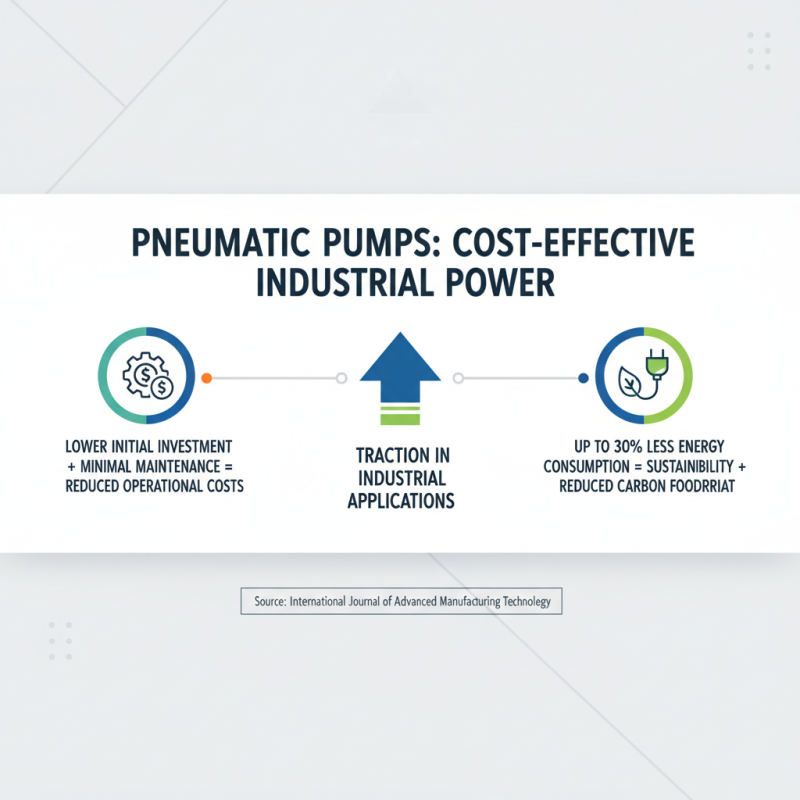
Pneumatic pumps have gained significant traction in industrial applications, particularly due to their cost-effectiveness compared to other pump types. According to a report by the International Journal of Advanced Manufacturing Technology, pneumatic systems can reduce energy consumption by up to 30% when compared to traditional electric or hydraulic pumps. This efficiency not only cuts operational costs but also contributes to sustainability efforts by lowering the carbon footprint of manufacturing processes. The lower initial investment required for pneumatic pumps, alongside their minimal maintenance costs, makes them a financially attractive option for many industries.

Moreover, the versatility of pneumatic pumps allows them to handle various fluids and materials, which can further enhance their cost-effectiveness. A study published by the Pump Industry Analysts indicated that industries utilizing pneumatic pumps experience up to a 25% reduction in maintenance downtime, translating into significant labor savings. When considering both direct and indirect costs, pneumatic pumps emerge as a superior choice for budget-conscious operations.

Tips: When selecting a pneumatic pump, always evaluate the total cost of ownership, including installation, energy consumption, and maintenance costs, rather than just the initial purchase price. Additionally, properly maintain your pumps to ensure optimal performance, which can drastically extend their service life and reduce long-term expenses. Implementing regular training for your maintenance team can also lead to improved efficiency and decreased operational interruptions.

Energy Efficiency: The Role of Air Compressors in Pneumatic Pump Systems

In the pursuit of enhanced energy efficiency in industrial applications, pneumatic pump systems play a critical role, primarily due to their reliance on air compressors. These systems utilize compressed air to drive the pumps, which leads to significant reductions in energy consumption compared to traditional mechanical pumping methods. As air compressors compress and store air, they can be strategically used to power pneumatic pumps only when needed, thereby optimizing energy use and minimizing waste.

Furthermore, the integration of air compressors within pneumatic pump systems allows for superior control over various operational parameters. By adjusting the air pressure, users can finely tune the performance of the pump to match specific requirements, whether for fluid transfer or material conveyance. This adaptability not only enhances efficiency but also prolongs the lifespan of the equipment. Additionally, pneumatic systems are generally simpler in design and maintenance than their hydraulic counterparts, leading to lower operational costs and reduced downtime in industrial settings.

Overall, the synergy between air compressors and pneumatic pumps represents a powerful solution for achieving greater energy efficiency in various industrial applications.

Versatility of Pneumatic Pumps in Various Industrial Applications

Pneumatic pumps offer significant versatility, making them ideal choices for a wide range of industrial applications. Their ability to handle various fluids, including viscous liquids, sludges, and even dry powders, positions them uniquely in sectors such as construction, food processing, and pharmaceuticals. With a straightforward design that utilizes compressed air, these pumps can be easily integrated into existing systems, enabling seamless operation across different manufacturing processes. This flexibility not only enhances productivity but also allows for quick adaptations to changing operational requirements.

In addition to their versatility, pneumatic pumps excel in environments where electric pumps may face challenges due to explosive atmospheres or moisture. Their explosion-proof design makes them suitable for industries such as oil and gas, where safety is paramount. Furthermore, pneumatic pumps require minimal maintenance, reducing downtime and operational costs. This reliability makes them a favored choice in heavy-duty applications, as they can run continuously without the risks associated with overheating or electrical faults. Overall, the adaptability and safety features of pneumatic pumps affirm their essential role in flourishing industrial landscapes.

Top 10 Benefits of Using a Pneumatic Pump for Your Industrial Needs

Safety and Environmental Benefits of Using Pneumatic Pump Technology

Pneumatic pump technology has emerged as a cornerstone in many industrial applications, offering significant safety and environmental benefits. According to a report by the Hydraulic Institute, pneumatic pumps can enhance workplace safety by minimizing the risk of leaks and spills associated with traditional pumping systems. Unlike their hydraulic counterparts, pneumatic pumps operate using compressed air, which eliminates the risk of hydraulic fluid contamination, thereby creating a safer working environment. This aspect is particularly crucial in industries handling hazardous materials, where the potential for accidents can have severe repercussions for workers and the surrounding community.

Furthermore, the use of pneumatic pumps contributes to environmental sustainability. Research from the American Institute of Chemical Engineers indicates that pneumatic pumps can reduce energy consumption by up to 15% compared to electric pumps in specific applications, leading to a decrease in carbon emissions. Additionally, the absence of lubricants or hydraulic fluids reduces the risk of environmental contamination, as these pumps pose minimal threat to soil and water resources. By choosing pneumatic systems, industries not only comply with stringent environmental regulations but also demonstrate a commitment to sustainable practices that ultimately benefit both the planet and public health.

Top 10 Benefits of Using a Pneumatic Pump for Your Industrial Needs

Benefit Description Safety Impact Environmental Impact
Energy Efficiency Pneumatic pumps consume less energy compared to electric pumps. Reduces operational costs and enhances safety by lowering energy-related hazards. Minimizes carbon footprint and conserves resources.
Durability Designed to withstand harsh industrial environments. Reduced risk of equipment failures that can lead to accidents. Fewer replacements lead to less waste and environmental impact.
Versatility Can handle a variety of fluids and materials. Greater operational flexibility enhances safety across multiple applications. Reduces the need for multiple pump types, lowering overall waste.
Low Maintenance Requires less frequent maintenance compared to mechanical pumps. Minimizes downtime and the potential for accidents during maintenance. Less maintenance waste contributes to a greener operation.
Safety Standards Compliant with strict safety and regulatory standards. Promotes safe operating conditions and reduces accident risks. Supports sustainable practices in industrial operations.
Self-Priming Capability Can operate effectively without the need for manual priming. Enhances safety by eliminating the need for manual intervention. Less water usage and spills promote environmental sustainability.
Portability Easily transportable for varied job sites. Reduced exposure to hazards from moving equipment. Encourages efficient use of resources across different sites.
Enhanced Control Allows for precise control over pressure and flow rates. Improves operational safety through better management. Helps minimize waste and promotes effective usage of materials.
Reduced Risk of Leaks Designed to minimize leaks compared to other pump types. Reduces the risk of chemical exposure and spills. Protects the environment by limiting release of hazardous materials.
Cost-Effectiveness Lower operating costs over the long term. Economic benefits enhance safety investments. Contributes to sustainable operations by lowering waste generation.