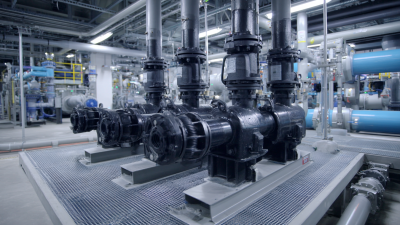
Top 10 Benefits of Using Triplex Pumps in Industrial Applications?
In industrial applications, the choice of a pump can significantly impact efficiency and cost-effectiveness. The triplex pump stands out as a reliable solution. According to a report by the Hydraulic Institute, triplex pumps provide improved accuracy and durability. This makes them ideal for various sectors, including oil and gas, manufacturing, and water treatment.
Triplex pumps operate with three plungers, offering increased flow rates and high pressure. They effectively handle handling viscous fluids and are less prone to wear. Statistics show that implementing triplex pump technology can reduce maintenance costs by up to 25%. Their robust design allows for prolonged service life, yet many industries overlook these advantages.
Some companies still hesitate to switch from conventional pumps. Concerns about initial costs and installation complexities persist. However, the long-term benefits of triplex pumps often outweigh these challenges. Investing in this technology can lead to notable operational efficiencies and sustainability—in today's competitive landscape, it’s a decision worth reflection.
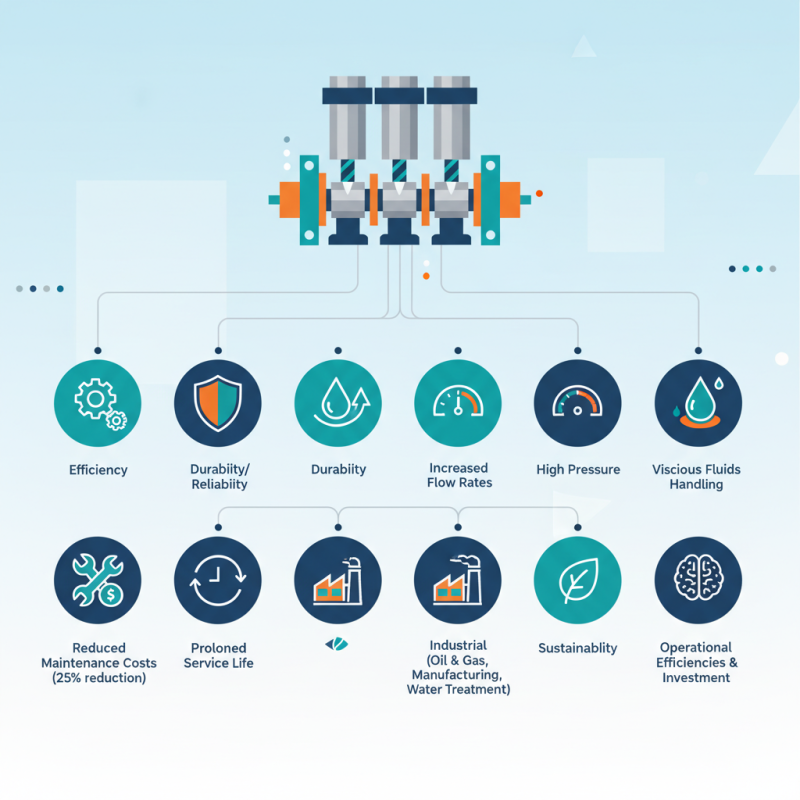
Advantages of Triplex Pumps in Industrial Settings
Triplex pumps have become essential in various industrial settings. Their design features three pistons, allowing for smoother and more efficient fluid handling. This leads to reduced vibrations, which minimizes wear and tear on the equipment. Industries benefit greatly from this efficiency, as it means fewer maintenance stops.
Another advantage is the high-pressure output. Triplex pumps can deliver impressive pressures, making them ideal for applications requiring power. Whether it’s cleaning surfaces or moving materials, they get the job done effectively. Users report significant time savings, thanks to their robust performance.
**Tip**: Regularly check and maintain your triplex pump to maximize its lifespan. Neglecting simple maintenance can lead to inefficiencies. It's crucial to manage the pump’s operational environment carefully.
Operation in diverse conditions is another boon. Triplex pumps perform well in both cold and hot environments. However, they may not be as effective in highly corrosive settings. Users should consider the fluid composition before installation to ensure optimal performance. Making informed decisions can prevent costly mistakes down the line.
**Tip**: Always consult with experts if unsure about fluid compatibility. Knowing your pump’s limits is vital for long-term success. Investing time in research now can save complications later.
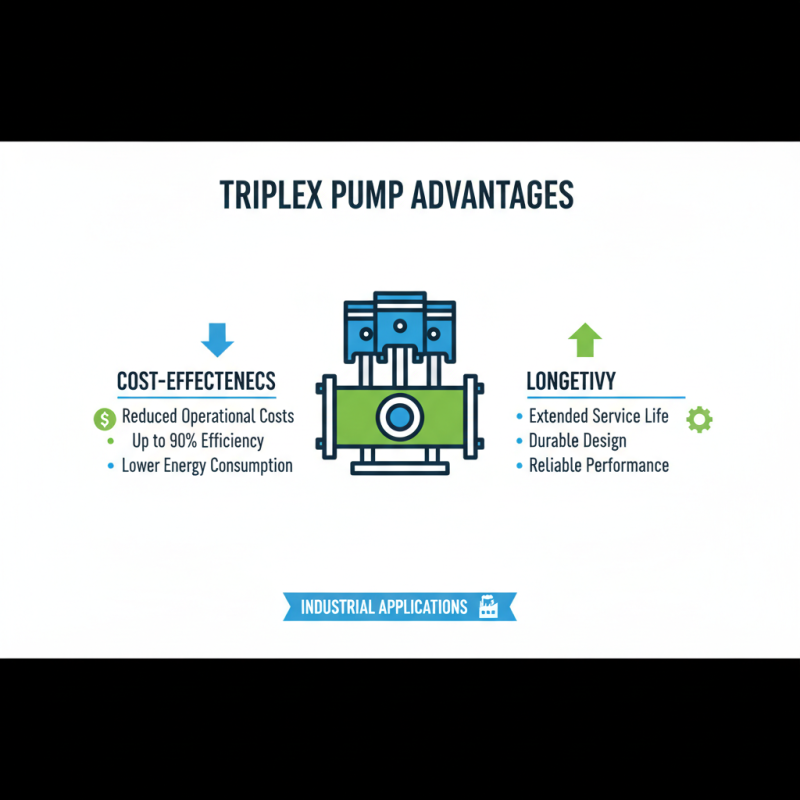
Enhanced Efficiency and Performance of Triplex Pumps
Triplex pumps are increasingly vital in industrial applications. Their design promotes enhanced efficiency and performance. These pumps can handle high-pressure situations effectively. They achieve this with lower power consumption compared to other models. According to industry reports, triplex pumps can reduce energy costs by up to 30%. This makes them a smart investment for many companies.
One notable feature of triplex pumps is their three-cylinder configuration. This design reduces vibrations and provides a smoother operation. It results in a more consistent flow rate, which is crucial for many processes. Operators often report improved productivity when using these pumps. However, ongoing maintenance is required to sustain performance over time. Regular checks on seals and valves help prevent costly downtimes.
Tips: Always monitor pump performance closely. A small issue can escalate into a significant problem. Ensure that operators are trained adequately. Knowledgeable staff can make a difference in operational efficiency. Consider conducting routine training sessions to stay updated with best practices.
Cost-Effectiveness and Longevity of Triplex Pumps
Triplex pumps offer exceptional cost-effectiveness and longevity in industrial applications. The design of these pumps allows for efficient performance, reducing operational costs significantly. According to a recent industry report, triplex pumps can operate at up to 90% efficiency. This high efficiency translates to lower energy consumption and, consequently, reduced utility expenses.
In terms of longevity, triplex pumps have been shown to last longer than traditional pumps. Many studies indicate that with proper maintenance, they can last upwards of 20,000 hours. This durability means less frequent replacements, which can be a major cost saver for industries relying on heavy usage. However, while these pumps are robust, they require regular maintenance to ensure optimal performance. Neglecting maintenance may lead to unexpected downtime and higher costs in the long run.
Another aspect to consider is the initial investment. Triplex pumps may have a higher upfront cost compared to other types. Yet, when calculating total cost of ownership, their durability and efficiency often make them a better choice. The balance between initial costs and potential savings can be challenging. It's crucial for companies to assess their specific needs and capabilities when making such decisions.
Reduced Maintenance Needs for Triplex Pump Systems
Triplex pumps are gaining popularity in various industrial settings due to their reduced maintenance needs. These systems are designed with three pistons, which distribute the workload evenly. This design minimizes wear and tear on the components. As a result, operators experience fewer breakdowns. Less downtime means higher productivity for the facility.
Maintaining standard pumps can be labor-intensive. Operators must frequently replace worn-out components. In contrast, triplex pumps can run for extended periods without requiring significant repairs. They are also easier to service when issues do arise, simplifying the process for technicians. However, it's important to note that these pumps aren't impervious to failure. Operators must remain vigilant in monitoring performance.
Proper maintenance schedules are still needed, though they may be less frequent. Operators should conduct regular inspections to catch early signs of wear. Ignoring small issues can lead to larger problems down the road. While triplex pumps excel in reduced maintenance needs, it's crucial to stay proactive. The balance between low maintenance and reliability keeps operations running smoothly.
Versatility and Applications of Triplex Pumps in Industry
Triplex pumps are a vital component in many industrial applications due to their versatility. They function effectively in oil & gas, water treatment, and mining sectors. Reports suggest that triplex pumps can handle pressures up to 15,000 psi. This capability makes them suitable for high-pressure washing and hydraulic fracturing processes. The ability to achieve different flow rates enhances their relevance across various industrial tasks.
In water treatment, triplex pumps are often preferred for their durability. These pumps provide consistent flow, even in challenging environments. This consistent performance can lead to more efficient water purification processes. Data indicates that industries using these pumps report a reduction in maintenance costs by approximately 25%. Such savings reflect their reliability but also highlight weaker points when they aren’t properly monitored.
However, triplex pumps also present some challenges. They can require significant upfront investment. This expense can discourage smaller businesses. Technical knowledge is also essential for maintaining optimal performance. Without it, downtime can occur and productivity will be affected. Awareness of these aspects is necessary to fully harness the benefits of triplex pumps in various industrial settings.
Top 10 Benefits of Using Triplex Pumps in Industrial Applications
| Benefit | Description | Application Areas |
|---|---|---|
| High Efficiency | Triplex pumps provide enhanced hydraulic efficiency, reducing energy costs. | Oil & Gas, Water Treatment |
| Durability | Robust construction for longevity under harsh conditions. | Mining, Construction |
| Versatile Operation | Capable of handling a wide range of fluids and viscosities. | Chemical Processing, Agriculture |
| Reduced Pulsation | Designed to minimize flow pulsation, ensuring smooth operation. | Food & Beverage, Pharmaceutical |
| Easy Maintenance | Simple design allows for quick access and serviceability. | Wastewater Management, HVAC |
| High Pressure Capabilities | Suitable for high-pressure applications where performance is critical. | Power Generation, Firefighting |
| Cost-Effective | Lower operational costs due to efficiency and durability. | General Industrial, Transportation |
| Safety Features | Built with safety mechanisms to prevent leaks and spills. | Chemical Handling, Hazardous Material Transport |
| Compact Design | Space-saving structure suitable for various installations. | Marine, Construction |
| Environmentally Friendly | Designed to operate with less environmental impact. | Renewable Resources, Eco-friendly Projects |
Related Posts
-
Unlocking Efficiency: How Triplex Pumps Transform Industrial Fluid Management
-
10 Essential Tips for Choosing the Right Triplex Pump
-
Unlock the Power: Essential Tips for Choosing the Best Power Washer Pump for Your Needs
-
2026 Best Pneumatic Pump Options for Your Needs?
-
The Ultimate Guide to Choosing the Right Hose Reel for Your Garden Setup
-
2025 Top 10 Diaphragm Pumps: Unmatched Performance and Reliability for All Industries